Honda’s Coming In HOT With A NEW CRF450R
Story by Trevor Hunter
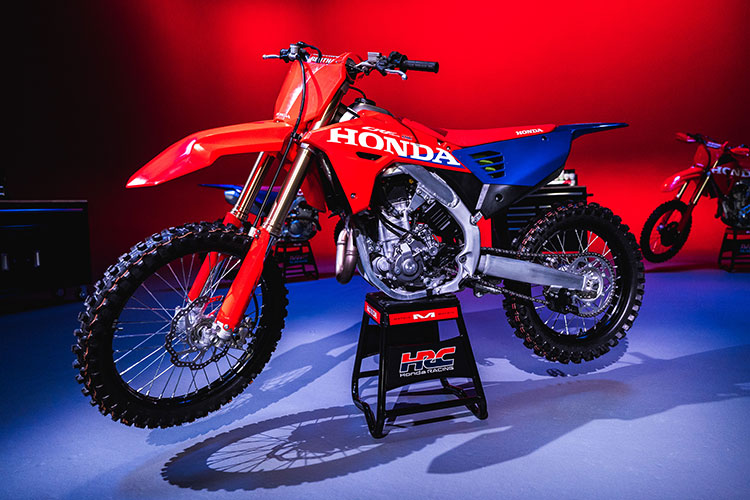
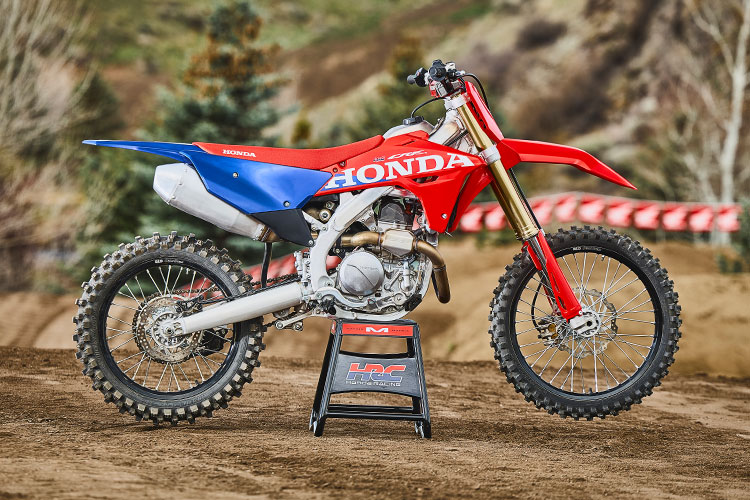
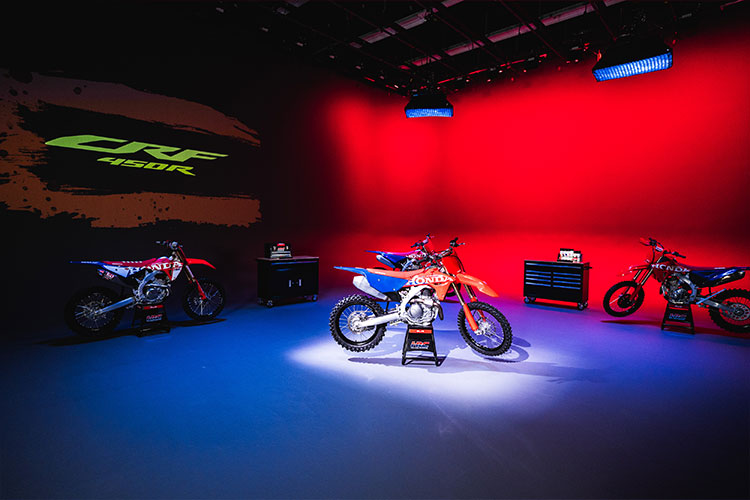
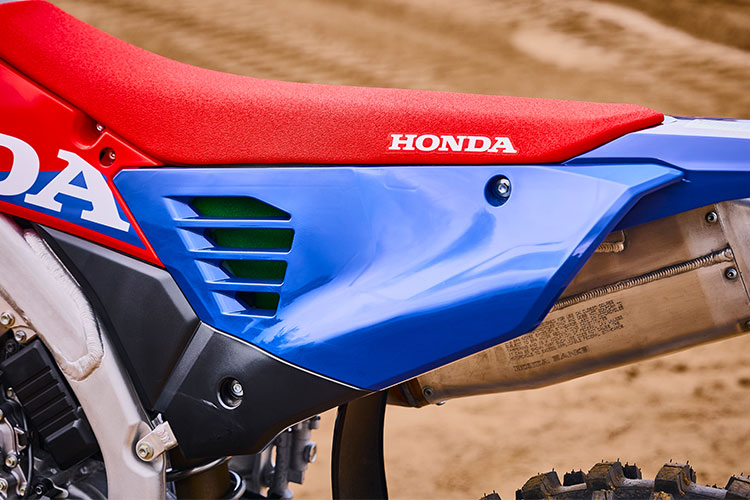
Avid moto enthusiasts probably won’e be shocked by the announcement of an ALL NEW Honda CRF450R (& CRF450RX for that matter) for 2027; however, the details behind the bike weren’t so predictable. If there was one word to describe the new model platform based on what Honda described to us, we’d say the theme of this new model is “Efficient.” From the engine, to the on-track handling, everything leads back to being efficiency which in turn leads to performance. The new model is claimed to drop a full 9.9 lbs from the previous model, with 6.0 lbs of that coming from the engine alone. Likewise, the updated model boasts a 70% new frame, updated suspension components, a new rear wheel design, a larger capacity gas tank, and so much more. Below are all the details you’ve been waiting for…
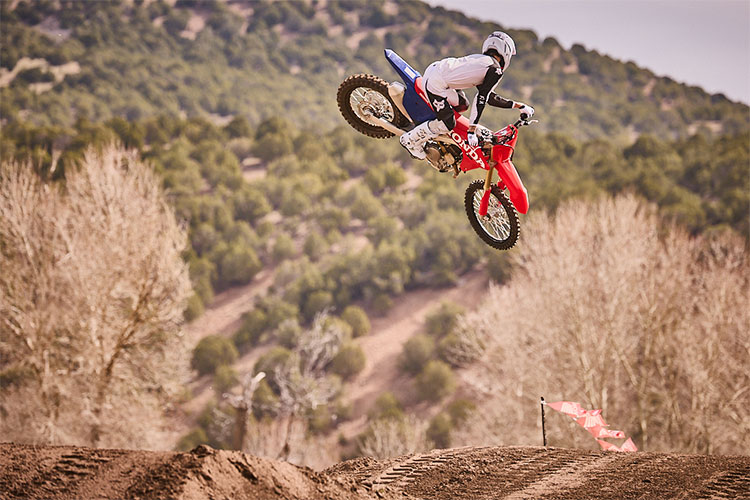
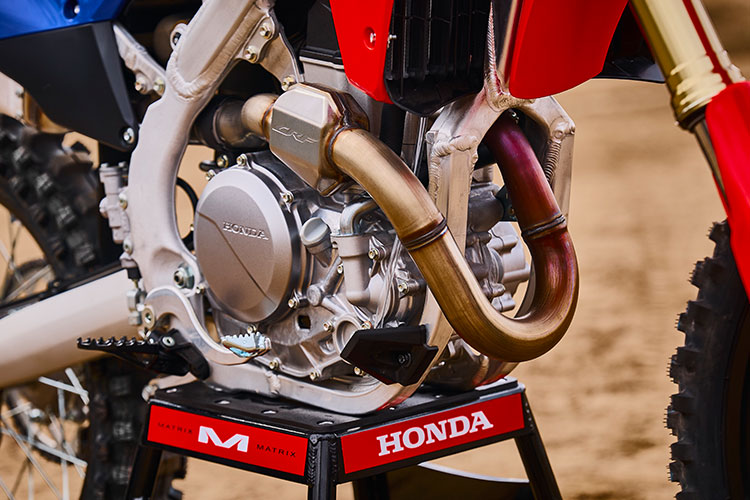
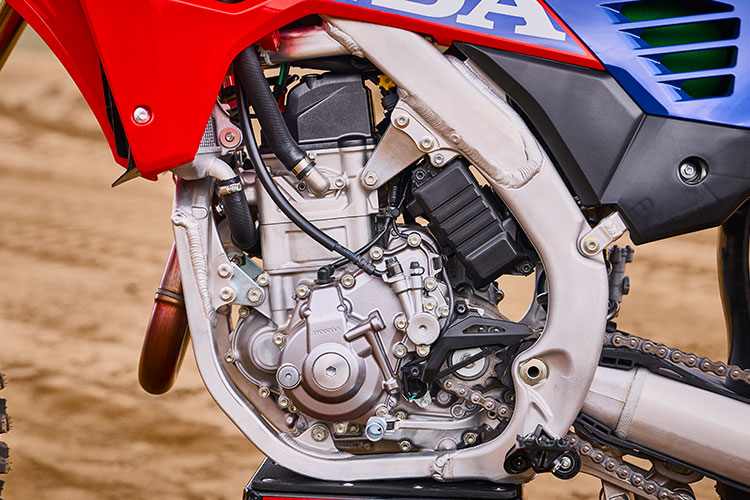
Since 2017, the bike has undergone a wealth of changes from a distance, but up close, they haven’t strayed as far away as one might think considering it’s been a decade. The frame and bodywork have changed drastically, but the powerplant is very similar to that from 2017. For ’27, the engine cases are 17mm narrower, max power output is claimed to be 10.3% higher, and max torque is a claimed 3.7% higher. The crankshaft has changed shape from an anchor profile to a round profile and has increased its strength while ball-and-roller bearings were swapped to roller bearings for durability and performance. These changes were designed to increase efficiency which in turn increases power output — something that some (though certainly not all) felt the Honda was lacking.
The cylinder bore is increased 1.0mm from 96.0mm to 97.0mm and a new piston crown and combustion chamber shape increase the compression ratio to 13.75:1. Honda’s signature Unicam valvetrain has been updated to be lighter and more compact with the intake and exhaust rocker-arm shafts aligned on a common axis. The intake and exhaust valve diameters were enlarged (by 2mm for the intake valves and by 1mm for the exhaust valves) to, again, increase efficiency. Honda claims they optimized the cam profiles with the larger titanium valves to maintain and even increase bottom end performance while improving mid-top end performance.
One small but significant goodie inside the engine is the oil ring on the piston is DLC coated — something the factory team has been doing for years now.
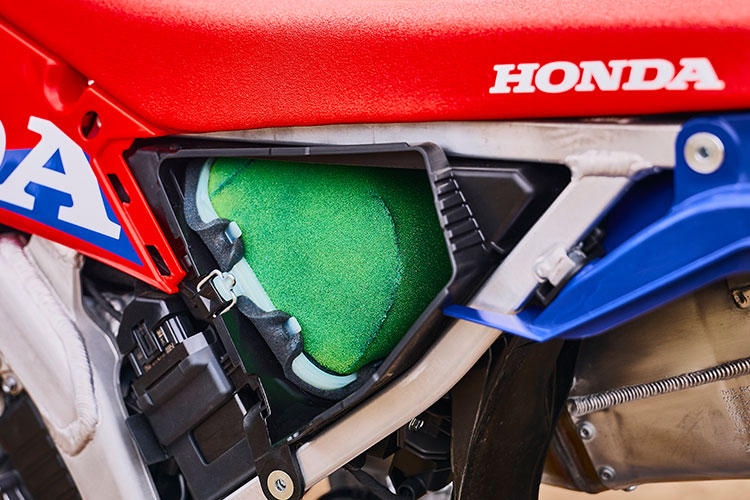
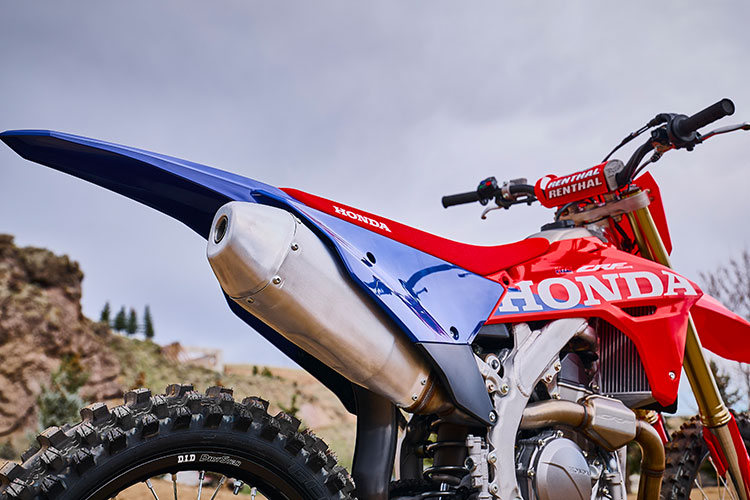
The intake is more of a down-draft intake with a steeper and shorter port to efficiently move air into the motor to maximize power. Likewise, a new airbox design closer mimics what the factory team has been running with a more direct airflow into and through the airbox. With all of these changes, Honda claims the bike is 10.3% more powerful at peak while adhering to the new 109 db sound limit — impressive that they increased power with a quieter exhaust!
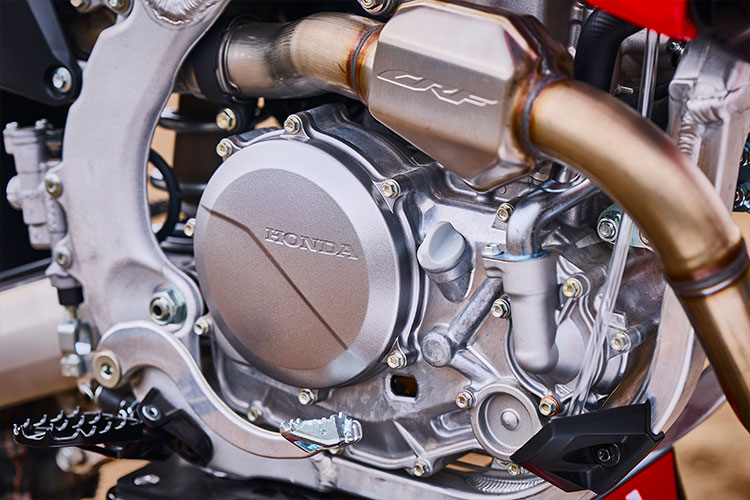
The clutch design is all new for 2027 and while they won’t say it, it acts very similar to a slipper clutch. The weight savings on the clutch alone is significant as the basket diameter is reduced by 7mm and the primary gear is a ring design, eliminating the entire inner portion. The clutch boasts a rubber-damper-activated back-torque-limiter system, similar to a cush-drive rear hub on a sport bike. Honda’s design isn’t like a cam-type slipper clutch which they feel has some positive but also some negative characteristics, and this design is claimed to be lighter than a standard slipper clutch. Of note, Honda reported that Jeffrey Herlings and the MXGP team is running a very stock clutch in their winning efforts this year.
We aren’t quite done yet in the engine! The transmission ratios are all revised to be taller (thank you Honda!) and match the new enginer character. Something we’ve struggled with for years, especially with the RX off-road bike, is the need to constantly shift gears and even running out of gear on fast motocross tracks or in an off-road environment. The drum and shafts were all redesigned and the transmission as a whole is 1.1 lbs lighter than before.
The starter system was redesigned and reduced from five total components to just four, making for a 1lb lighter and more efficient system and one that is more systematically designed for the bike rather than something that is less intuitive.
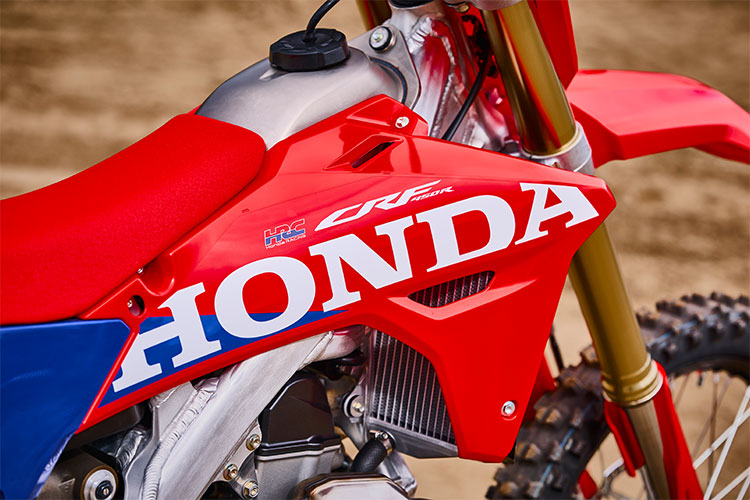
Mapping is still changed at the bar with the HTSC (traction control), three maps, and a claimed more effective launch control system. The bike (both R and RX) is fueled by a 1.9 gal titanium fuel tank, one that can complete a full AMA Pro Motocross moto (and one that is much skinnier than the baloon RX fuel tank from before).
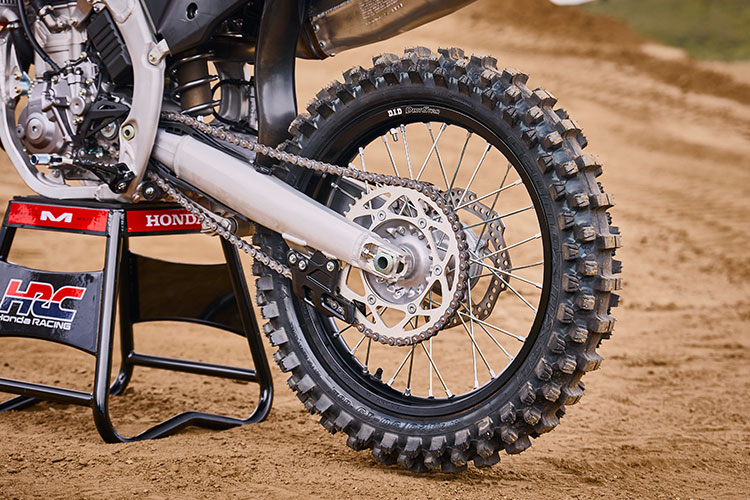
Similar to the changes in 2025, Honda has increased rigidity by 10% in the main frame with a 70% new frame. Likewise, the swingarm is 1.1 lbs lighter and has a D shape to it to better move through the dirt and is a key change in the bike’s handling according to HRC tester Trey Canard. The main frame sees changes in the head tube, the down tube, the cradles, and the shock mount. The head stays are now a new shape and made of aluminum (previously steel).
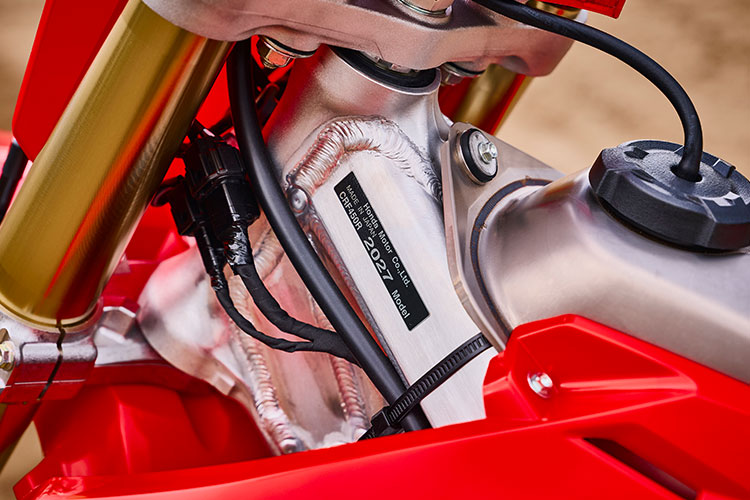
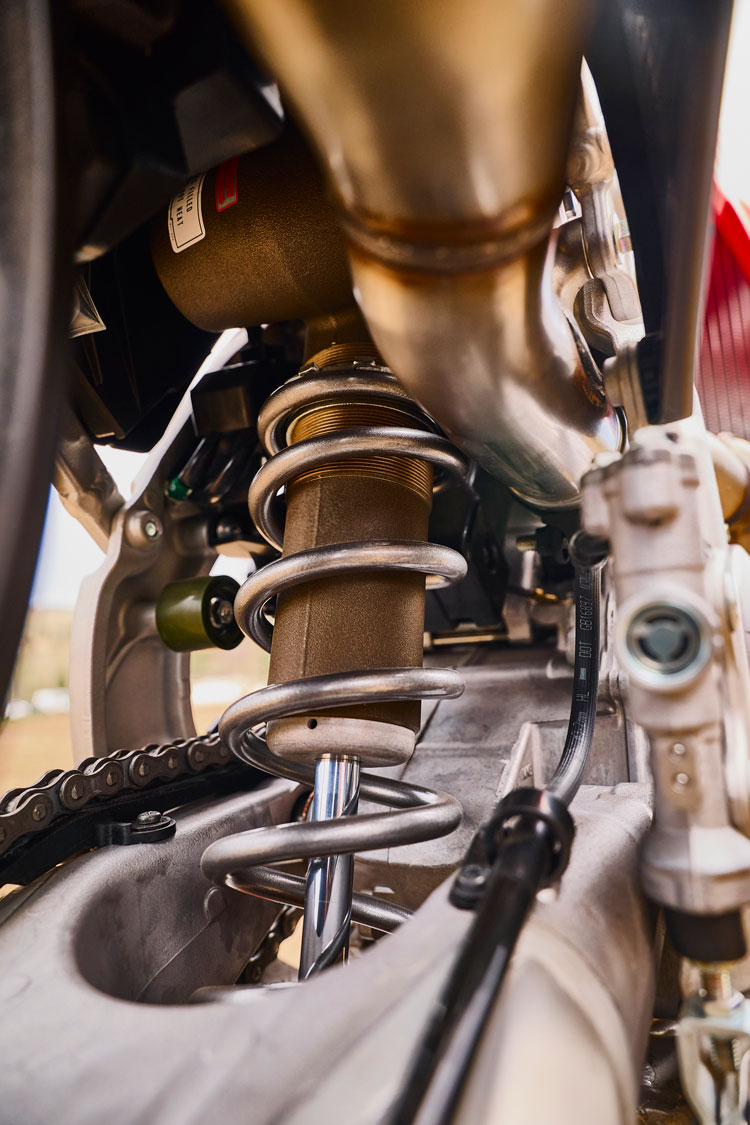
The wheelbase is now 58.7 inches—0.3 inches longer than before—and the rear axle is moved upward by 0.5 inches. Rake is increased by 0.2º, to 27.5º. The suspension components have been updated with new internals, a new shock body, a new collar and dust seal housing in the upper shock bearing, and more are all new. The collar and seal are designed to reduce play in the frame which reduces twisting of the shock for increased performance and wear. The fork features a new piston band for less stiction and more free movement. The shock compression dampener spring is stiffer and a new, shock bladder similar to what’s run on the HRC bikes is now in play. Something seemingly small but what could be a substantial difference is the use of higher quality oil in the suspension for increased performance. Lastly, a new linkage ties it all in for improved handling characteristics and less “kickback” that some have noted of Honda’s in recent years.
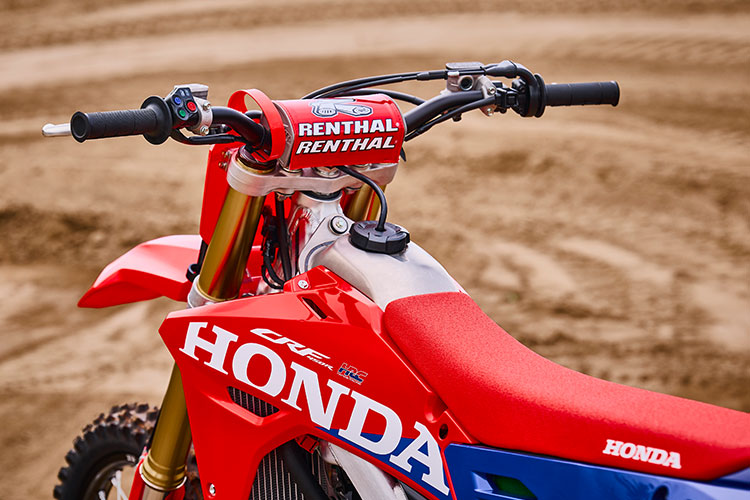
Something the factory riders have been doing for years is now production with the footpegs moved back 5mm. Also, the rear wheel collars are now chamfered to slide in and out of the swingarm easier during wheel changes. Also, the chain guide is a resin unit and has threads inserter, eliminating the need for nuts on the backside to keep the guide in place.
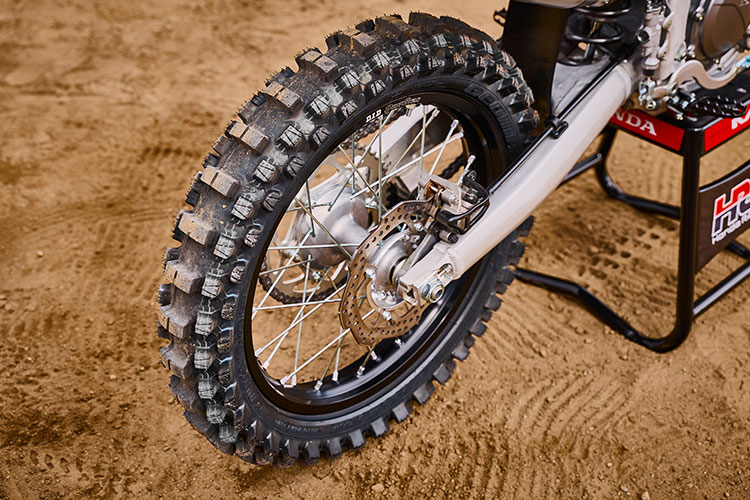
Something that you may not want to hear is Honda changed their hub and brake discs and sprockets are not interchangable from the old wheel. The old wheel will still mount up, but a different sprocket is needed and the new hub has threads for the brake disc, eliminating the need for a nut on the backside like previous year rear wheels had.
CRF450RX
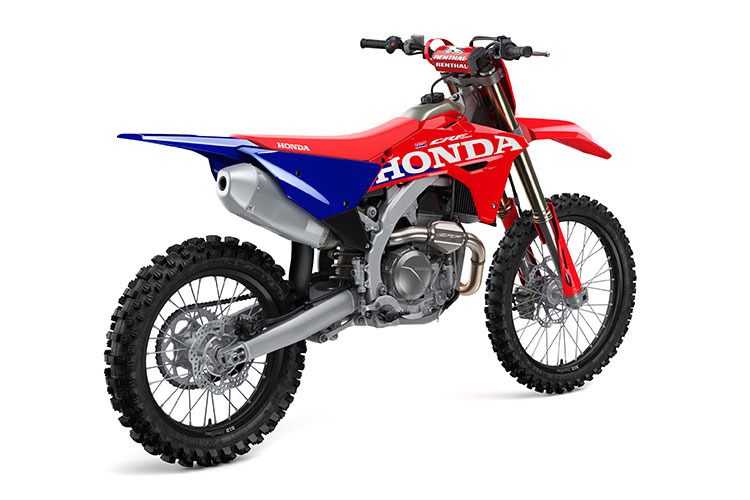
The RX receives all of the same changes for 2027. Of course, it comes with the usual 18-in. rear wheel, a kickstand, and unique suspension settings. Something new is it now comes with the same gas tank as the motocrosser – a 1.9 gal titanium fuel tank. We appluad this simply because we weren’t a fan of how big and bulky the stock RX tank was previously. For more capacity, we’ll likely go to an IMS unit or even a Red Moto unit.
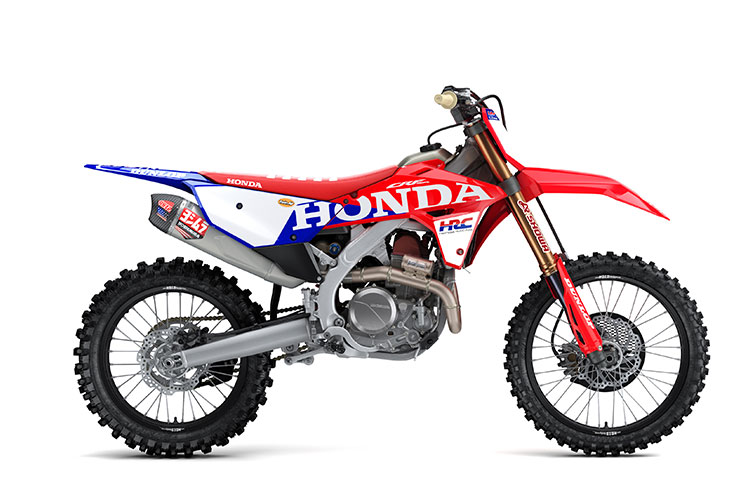
Overall, this is the largest change Honda has made in over a decade to its flagship motocross bike and time will tell if they hit the nail on the head. They gave the bike a lot of praise in the press intro presentation, but we’ll give you our honest thoughts on if it’s a homerun or a strikeout when we ride the bike in July at Millville!
Do You Like DBT Bringing You Fresh Content? Search and Shop Through the Links Below: